

Gentle Baby Swim Techniques Start With Comfort and Close Support
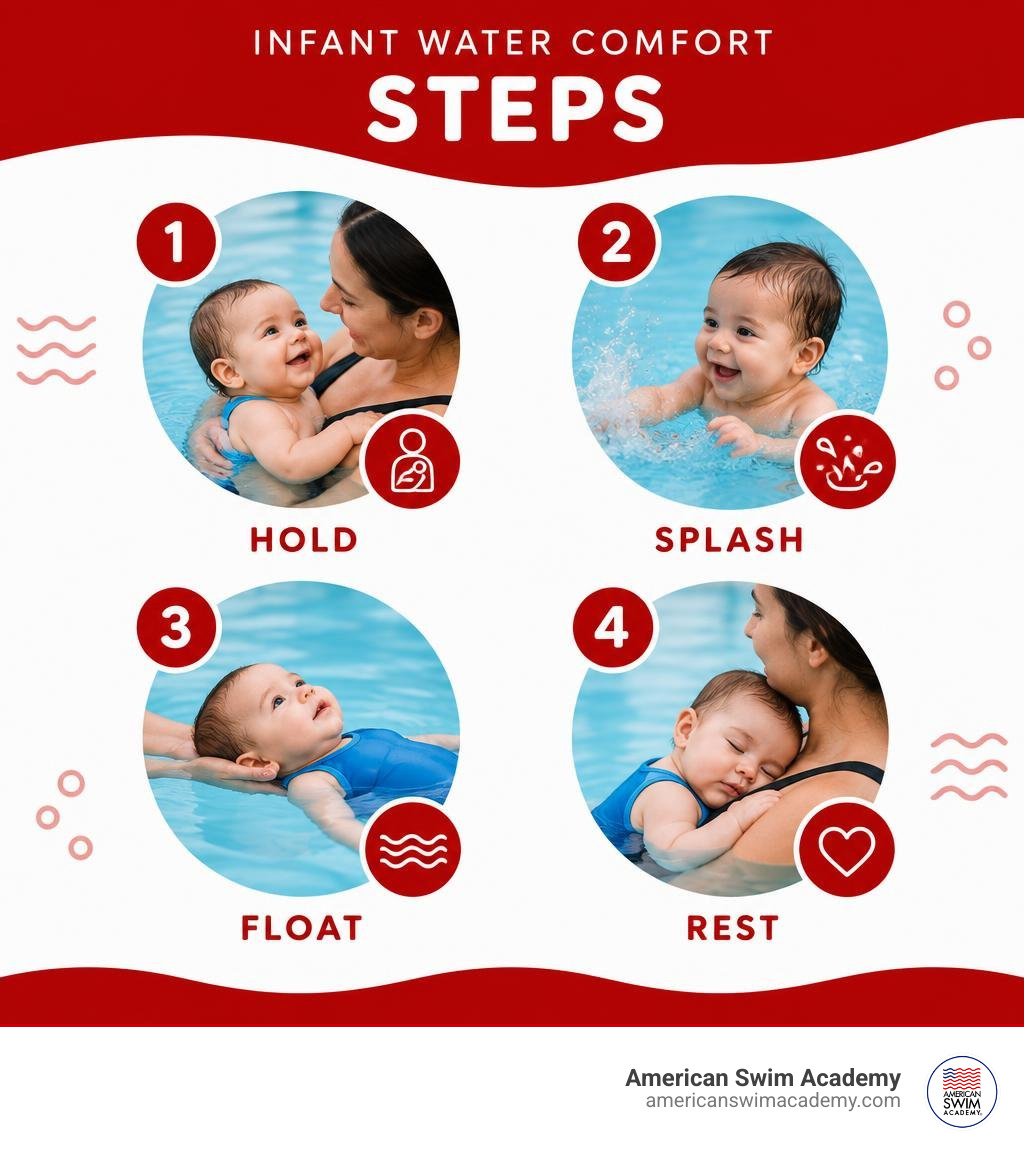
The best baby swim techniques are calm, parent-supported, and never forced. Start in warm water with your baby held securely against your chest. Use a steady voice, make eye contact, and let them get used to splashes at their own pace. Practice short back-float positions with full head and neck support, then stop before your baby becomes tired or upset.
An adult should stay within arm’s reach at all times. Swim lessons can help infants build water comfort, body awareness, and early movement skills while giving parents a clear, safe routine to follow.
At American Swim Academy, our family-led team helps Bay Area parents make early pool time gentle, positive, and focused on safety.
The Science Behind Early Infant Swimming and Brain Development
Early water exposure is far more than just splashing around; it is a powerful catalyst for neurological growth. During the first year of life, an infant’s brain develops at an extraordinary pace, building millions of neural connections every single day. Swimming engages all five senses simultaneously—feeling the temperature and resistance of the water, hearing rhythmic splashes, seeing bright reflections, and experiencing changes in equilibrium.
Neurological pathways flourish under rich sensory environments. When an infant moves through the water, the tactile sensation across their entire skin surface sends a cascade of sensory signals straight to the central nervous system. This multisensory immersion accelerates brain growth and deepens spatial awareness long before an infant learns to walk on solid ground.
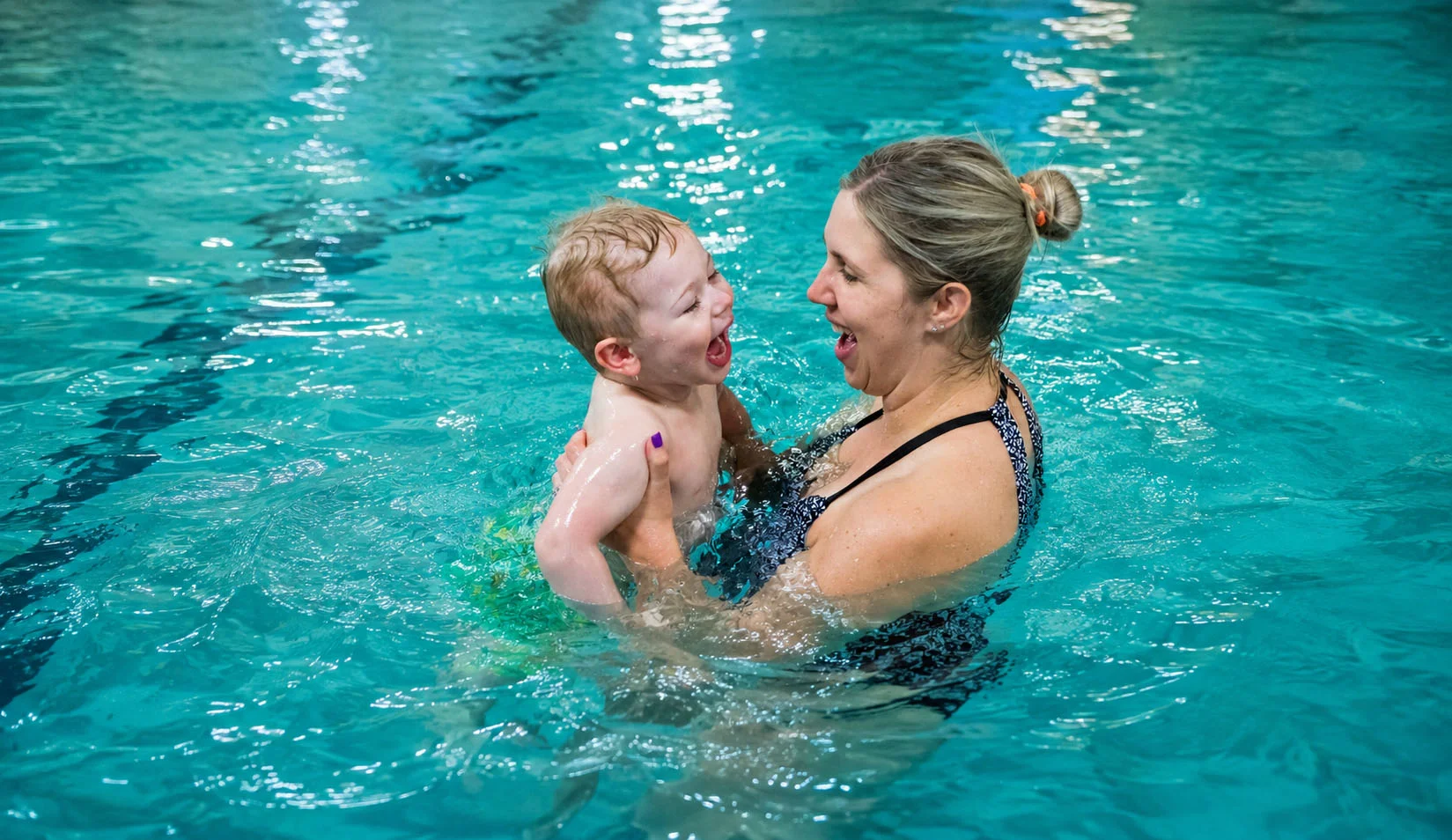
Pioneering work in early childhood development highlights how early swimming can unlock immense cognitive potential. As explored in Douglas Doman’s classic guide, How to Teach Your Baby to Swim, swimming is one of the most sophisticated neurological functions an infant can practice from birth. Because babies spend nine months buoyant in utero, the aquatic environment feels familiar and natural, allowing them to activate motor pathways without the strain of gravity.
Motor Milestones and Cross-Patterning
Long before babies take their first steps, their physical development relies on cross-lateral movement—using opposite sides of the body in coordinated rhythms. In water, infants naturally kick their legs in an alternating pattern and paddle their hands. This bilateral movement stimulates both hemispheres of the brain at once, supporting the vital neurological wiring needed for later developmental stages like creeping, crawling, and walking.
Water also offers an ideal setting for vestibular stimulation. The inner ear’s vestibular system, which governs balance, posture, and spatial orientation, gets a comprehensive workout as your baby transitions between vertical, tummy, and back positions. By following structured gentle infant swim tips, parents can safely encourage these foundational cross-patterning motions that make land-based milestones smoother and more coordinated.
Respiratory and Communication Health
Swimming regularly provides a gentle yet effective cardiovascular and respiratory workout for your baby. Moving against the gentle resistance of water strengthens the diaphragm, expands lung capacity, and enhances overall breath control.
This respiratory conditioning directly benefits speech and language development. Stronger respiratory muscles allow infants to produce louder, clearer vocalizations, experiment with babbling, and build greater stamina for early communication. Furthermore, the active, playful nature of warm-water sessions promotes deep, restful sleep and supports healthy immune function.
Core Baby Swim Techniques for Water Safety and Comfort
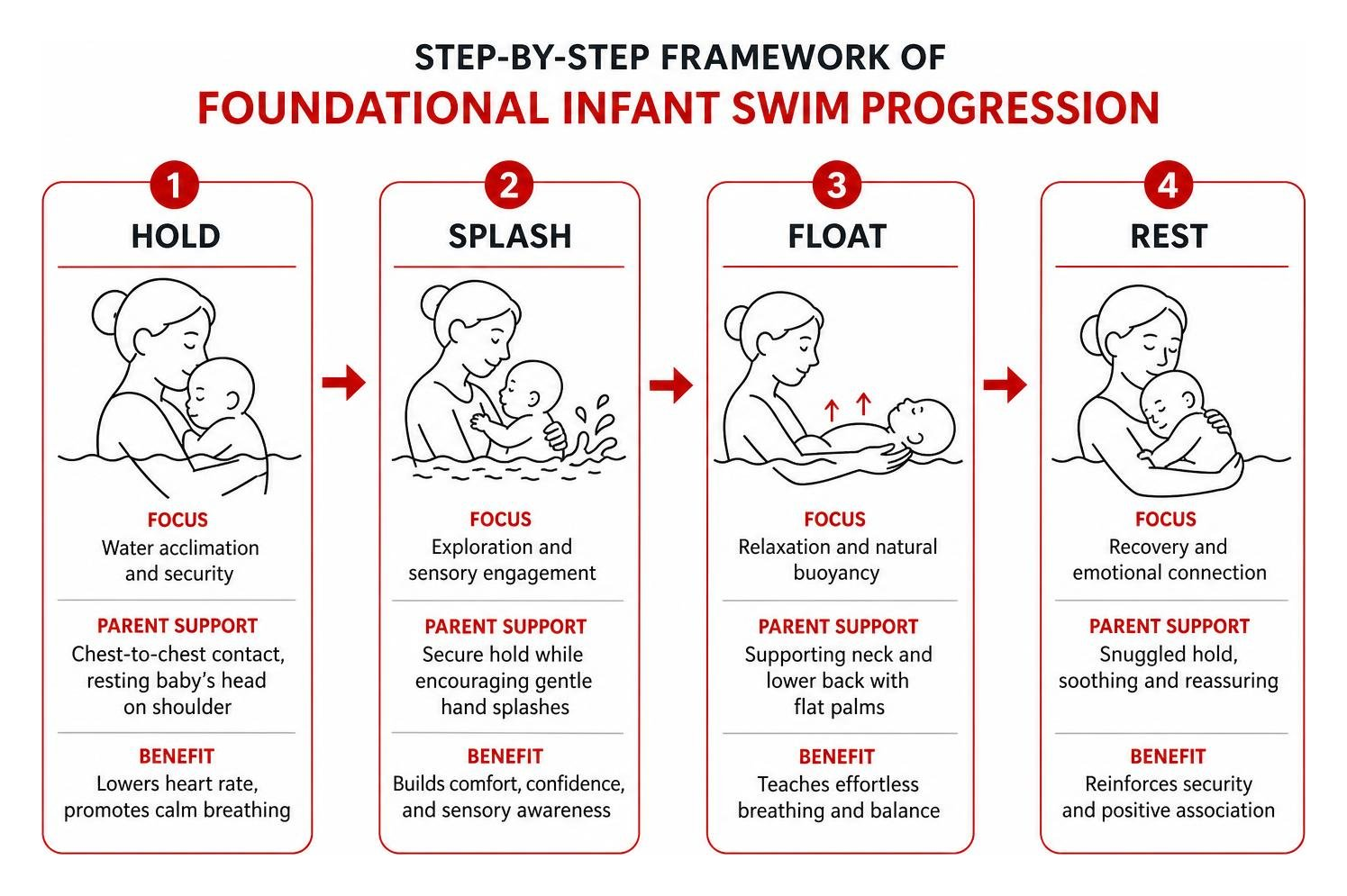
Introducing your baby to the pool should always follow a child-paced, cue-based progression. When babies feel completely secure in their parent’s arms, their natural buoyancy takes over, making learning intuitive and joyful. Understanding infant swim lesson fundamentals helps you focus on connection and comfort rather than rigid performance.
| Technique | Primary Focus | Parent Support Role | Key Developmental Benefit |
|---|---|---|---|
| Cheek-to-Cheek Hold | Water acclimation and security | Chest-to-chest contact, resting baby’s head on shoulder | Lowers heart rate, promotes calm breathing |
| Supported Back Float | Relaxation and natural buoyancy | Supporting neck and lower back with flat palms | Teaches effortless breathing and water balance |
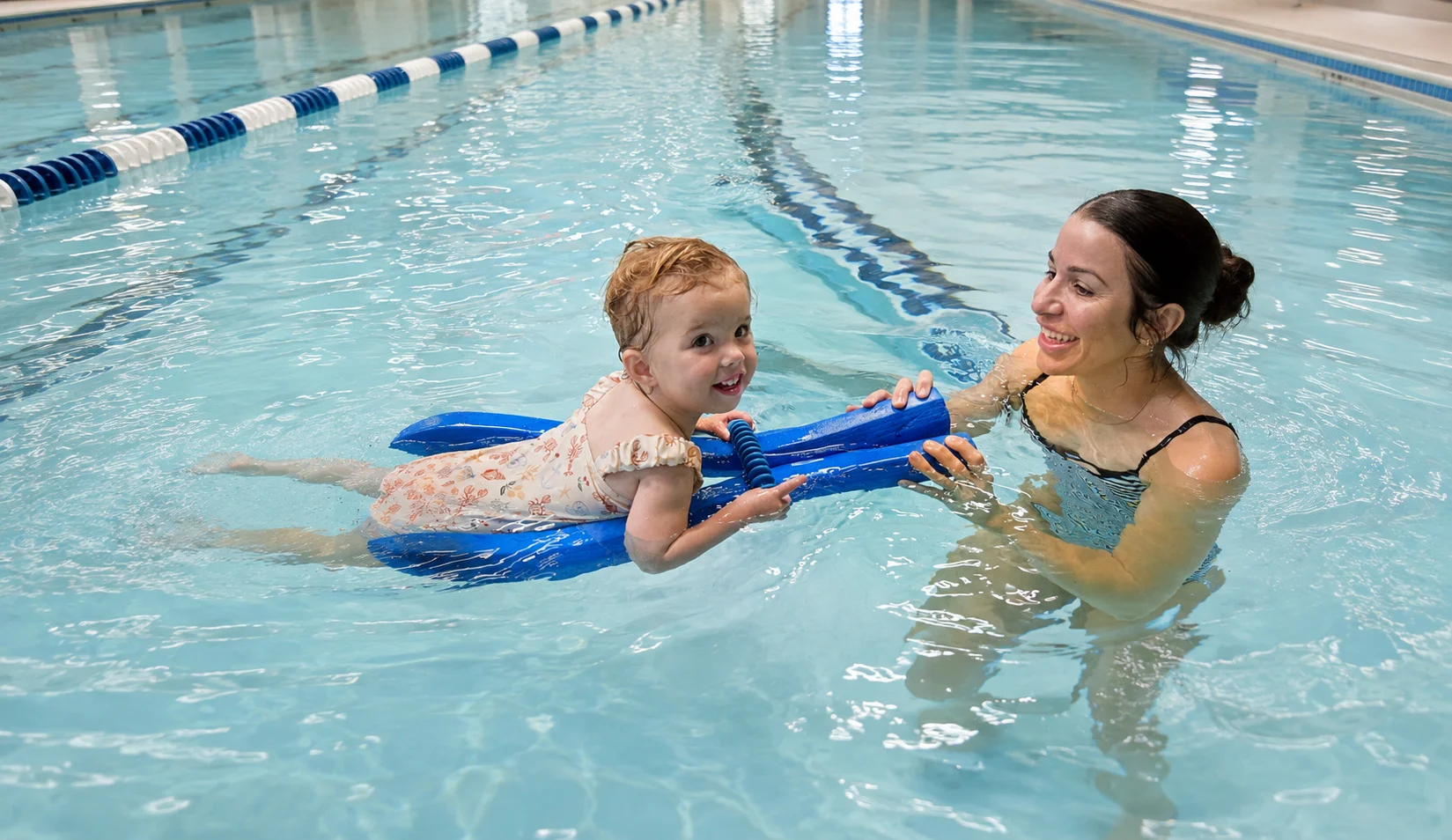
| Horizontal Front Glide | Body alignment and kicking | Supporting armpits while moving gently forward | Encourages bilateral leg kicking and head control |
| Cue-Based Submersion | Breath holding and reflex training | Verbal cue (“Ready, set, go!”) followed by brief dip | Builds confident breath control and trust |
Foundational Baby Swim Techniques: Floating and Gliding
The back float is the cornerstone of water comfort and early safety. When practicing a back float, keep your baby’s head aligned with their spine and allow their ears to rest gently below the water surface. Many infants initially dislike the sensation of water around their ears, but practicing gentle water adaptation strategies at bath time helps them adjust comfortably.
To guide your baby into a relaxed back float:
- Rest your baby’s head securely on your shoulder or the crook of your neck while standing chest-deep in the pool.
- Slowly lower your posture until your baby’s ears touch the water, maintaining constant soothing eye contact.
- Slide one hand under their neck and base of the skull, and place the other hand under their lower back to provide steady, calm support.
- Sing or speak in a soft, steady rhythm to encourage their tummy to stay relaxed and high on the surface.
- As they relax, gently reduce the pressure of your supporting hands, letting them experience their natural buoyancy.
Advanced Baby Swim Techniques: Gentle Submersion and Breath Control
Babies possess natural aquatic reflexes, including the laryngeal (or gag) reflex, which instinctively blocks their airway when water touches their mouth or nose. However, gentle swimming lessons never rely solely on involuntary reflexes. Instead, we teach conscious, cue-based breath control using positive verbal conditioning.
Start by introducing a simple, consistent verbal cue such as “Name, ready, go!” followed by blowing gently on your baby’s face, which naturally causes them to close their eyes and hold their breath. Once this association is established, you can progress to pouring a small cup of clean water over the crown of their head on the count of three. Over time, this smooth, predictable process prepares your baby for short, horizontal glides under the surface without sudden surprises or stress.
How to Overcome Common Infant Swim Challenges
Even the happiest water babies experience days when the pool feels overwhelming. Sensory overload from echoing sounds, bright lights, or unfamiliar splash sensations can occasionally cause fussiness. Pacing each session according to your infant’s mood is the secret to lasting success.
Choosing the right environment makes all the difference. Enrolling in warm-pool infant lessons ensures that cold water never interferes with your baby’s comfort and enjoyment.
Managing Pool Temperature and Water Hesitation
Infants lose body heat much faster than older children and adults. In pools cooler than 90°F, babies often tense their muscles, shiver, and quickly become upset.
- We maintain our indoor pools at a comforting 92°F year-round across all our Bay Area locations—including Fremont, Newark, Livermore, Dublin, and Walnut Creek.
- Warm water relaxes tight muscles, soothes the nervous system, and encourages voluntary kicking and paddling.
- If your baby shows signs of hesitation, enter the pool slowly while holding them close against your body, allowing their feet to dip in first before lowering their torso into the warmth.
Building Trust Through Parental Involvement
Your presence in the water is your baby’s greatest source of security. Direct skin-to-skin contact releases oxytocin, reducing stress hormones for both parent and child.
Keep your facial expressions cheerful and relaxed; babies take emotional cues directly from your face. If you appear tense or worried, your baby will sense it. Celebrate small wins—like splashing a toy or kicking their toes—and never force a skill if your baby signals that they need a quick cuddle or break.
Frequently Asked Questions About Infant Swimming
What is the recommended age to introduce a baby to the pool?
Babies can be introduced to warm water at home from birth, and structured parent-and-child swim lessons typically welcome infants starting at 6 months of age. At 6 months, infants have developed sufficient head control, neck strength, and immune maturity to fully enjoy a dedicated swim school environment.
How does infant swimming improve a baby’s physical development?
Swimming engages nearly every muscle group without placing stress on growing joints. The natural resistance of water builds upper body, core, and leg strength, which directly accelerates land milestones like sitting upright, crawling, and balance. It also refines hand-eye coordination and spatial awareness.
What safety precautions should parents follow during baby swim practices?
Always maintain constant “touch supervision,” keeping your baby within arm’s reach at all times. Ensure the water is heated to at least 90°–92°F to prevent chilling, practice only in well-maintained pools with experienced instructors, and always dress your infant in an approved reusable swim diaper to maintain water hygiene.
Conclusion
Teaching your baby to love the water is one of the most rewarding gifts you can provide. By using gentle, parent-led methods, you foster critical brain growth, build strong physical coordination, and lay the foundation for lifelong water comfort and safety.
At American Swim Academy, we specialize in small, caring infant classes held in warm 92° indoor pools throughout the Bay Area. If you are ready to begin this wonderful journey together, explore starting swimming lessons for infants and reserve your family’s spot today.