

Find a Water Safety Class Near You That Fits Your Family
To find a water safety class near you, start with local swim lesson programs and choose a class that matches your child’s age and comfort in the water. Before you enroll, check the schedule, group size, pool temperature, and whether instructors can support your child’s needs. For young children, look for lessons that build water comfort, floating, and safe habits step by step.
Lessons help children grow their skills, but they work best alongside close adult supervision and clear family rules around water. We’ll walk you through what to look for in a class close to home.
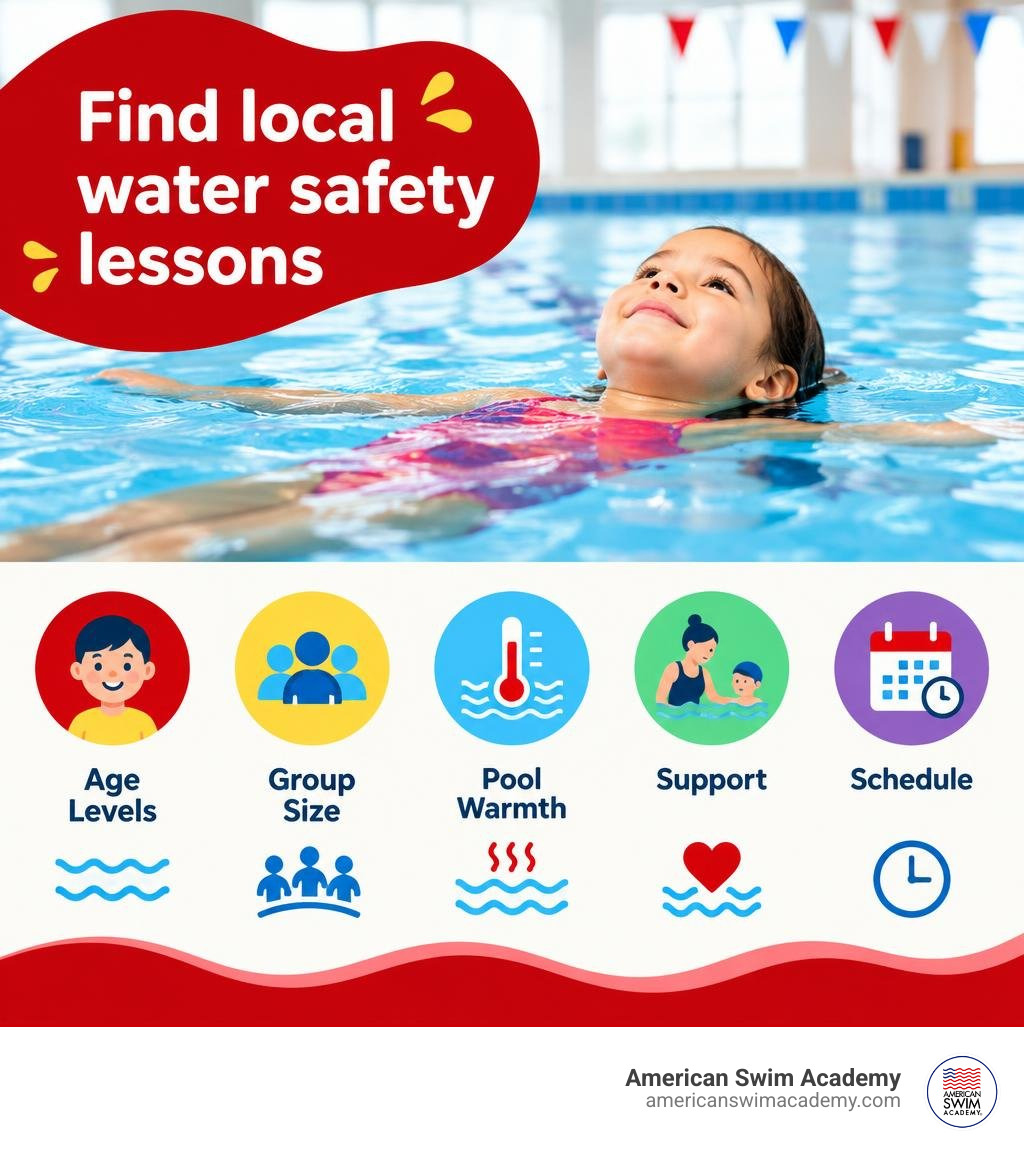
Simple water safety class near me glossary:
A quality water safety class does more than teach strokes. It helps children understand how to enter the water carefully, return to the pool edge, rest on their backs, and respond calmly if they feel unsure. These habits are reinforced through consistent practice, positive coaching, and age-appropriate activities that make water safety feel natural rather than stressful. When families choose a program close to home, they are more likely to attend regularly, which helps children retain skills and build confidence over time. The right class also gives parents a clearer picture of what their child is learning, so they can reinforce the same habits during family swim time.
Essential Types of Programs When Searching for a Water Safety Class Near Me
Finding the right aquatic program means understanding how different classes meet specific developmental stages. Whether introducing an infant to the pool or refining strokes for an older child, every stage emphasizes foundational habits and positive water experiences.
Parent-Child Aquatics and Toddler Classes
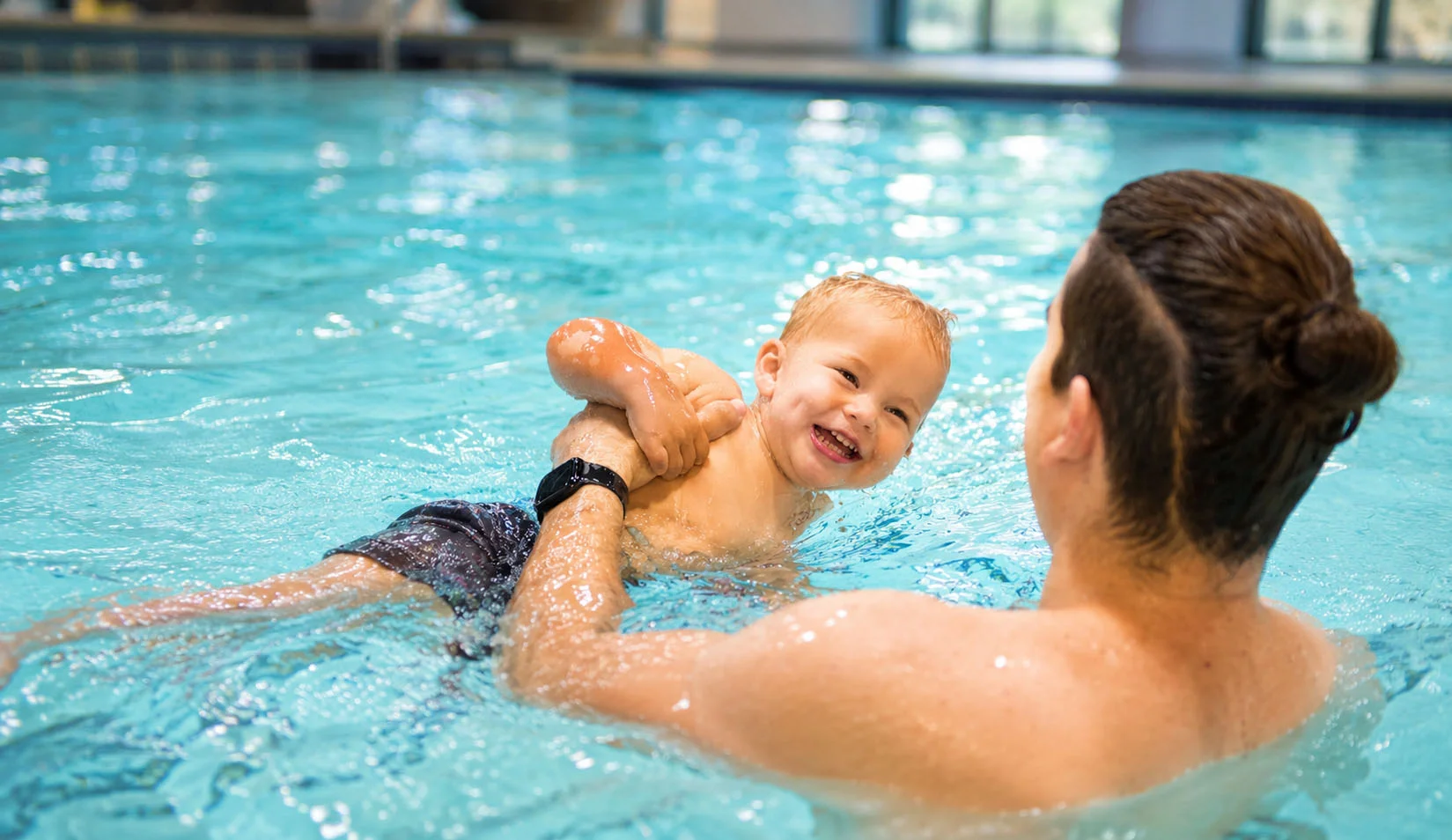
Early childhood is the ideal time to introduce children to the aquatic environment. In parent-child aquatics, babies as young as six months begin building basic comfort through song, gentle movement, and positive association.
These classes focus on:
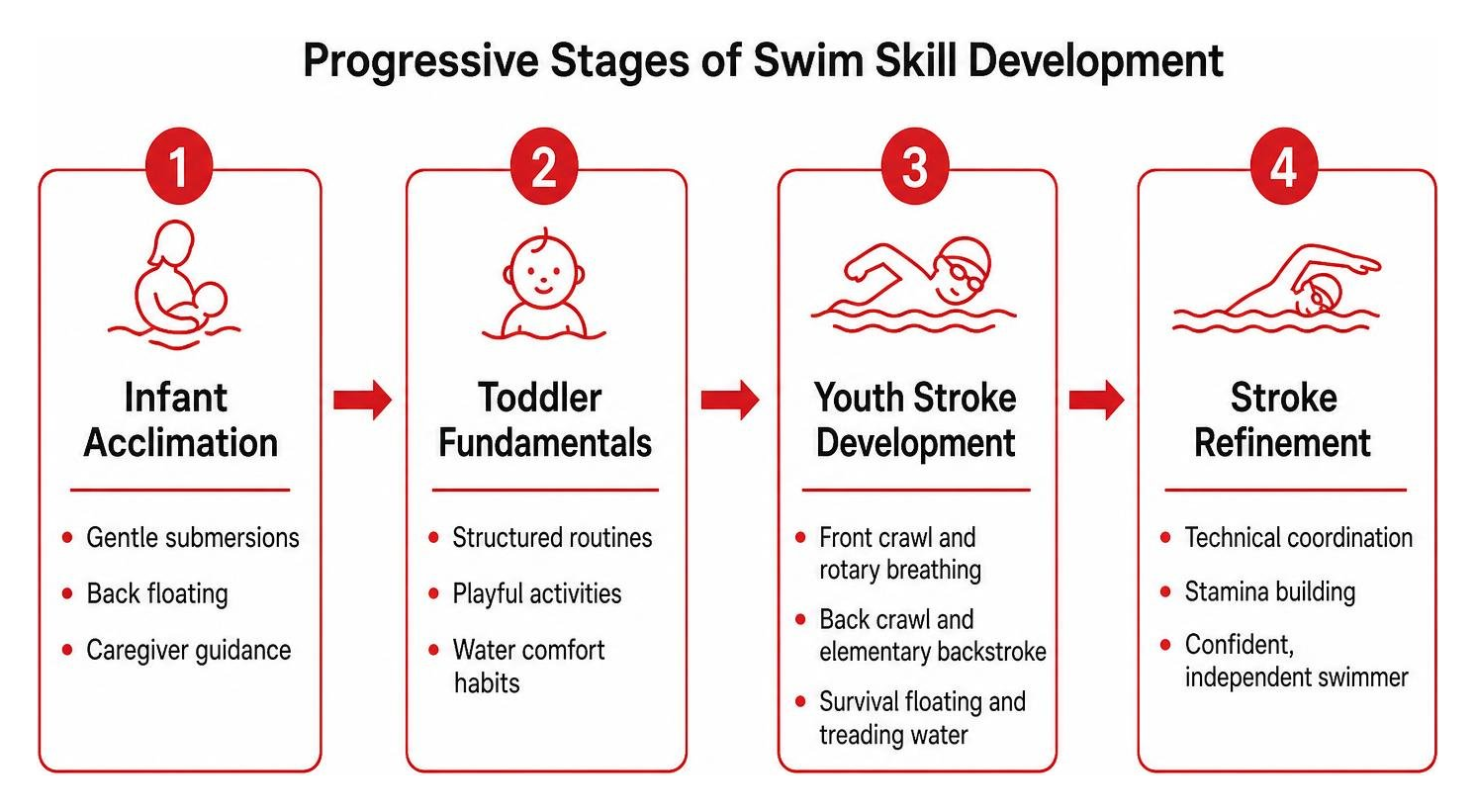
- Gentle submersions: Helping infants build breath control comfortably.
- Back floating: Teaching swimmers to roll onto their backs to rest and breathe easily.
- Caregiver guidance: Demonstrating proper hold techniques and attentive supervision habits for parents.
For curious toddlers, structured routines help channel energy into practical habits. Reviewing swim lessons for 2-year-olds highlights how playful, reassuring activities establish lifelong water comfort. According to the Centers for Disease Control and Prevention, formal swim lessons can reduce the risk of water-related injury among young children, which is why starting early with a structured program matters.
Youth Swim Lessons and Stroke Development
As children grow, lessons expand from basic acclimation into independent swimming, technical coordination, and stamina. A progressive curriculum ensures swimmers master core safety actions before moving to advanced propulsion.
Key milestones include:
- Front crawl and rotary breathing: Coordinating arm recovery with side-breathing technique.
- Back crawl and elementary backstroke: Mastering efficient, restful strokes that conserve energy.
- Survival floating and treading water: Building endurance to stay calm in deep water.
Our programs across Fremont, Newark, Livermore, Dublin, and Walnut Creek also accommodate unique learning styles. Swimmers needing tailored pacing benefit from reviewing our cheat sheet to adaptive water classes, helping every child build essential aquatic comfort at their own pace.
Choosing Qualified Instructors and Safety-Focused Swim Lessons
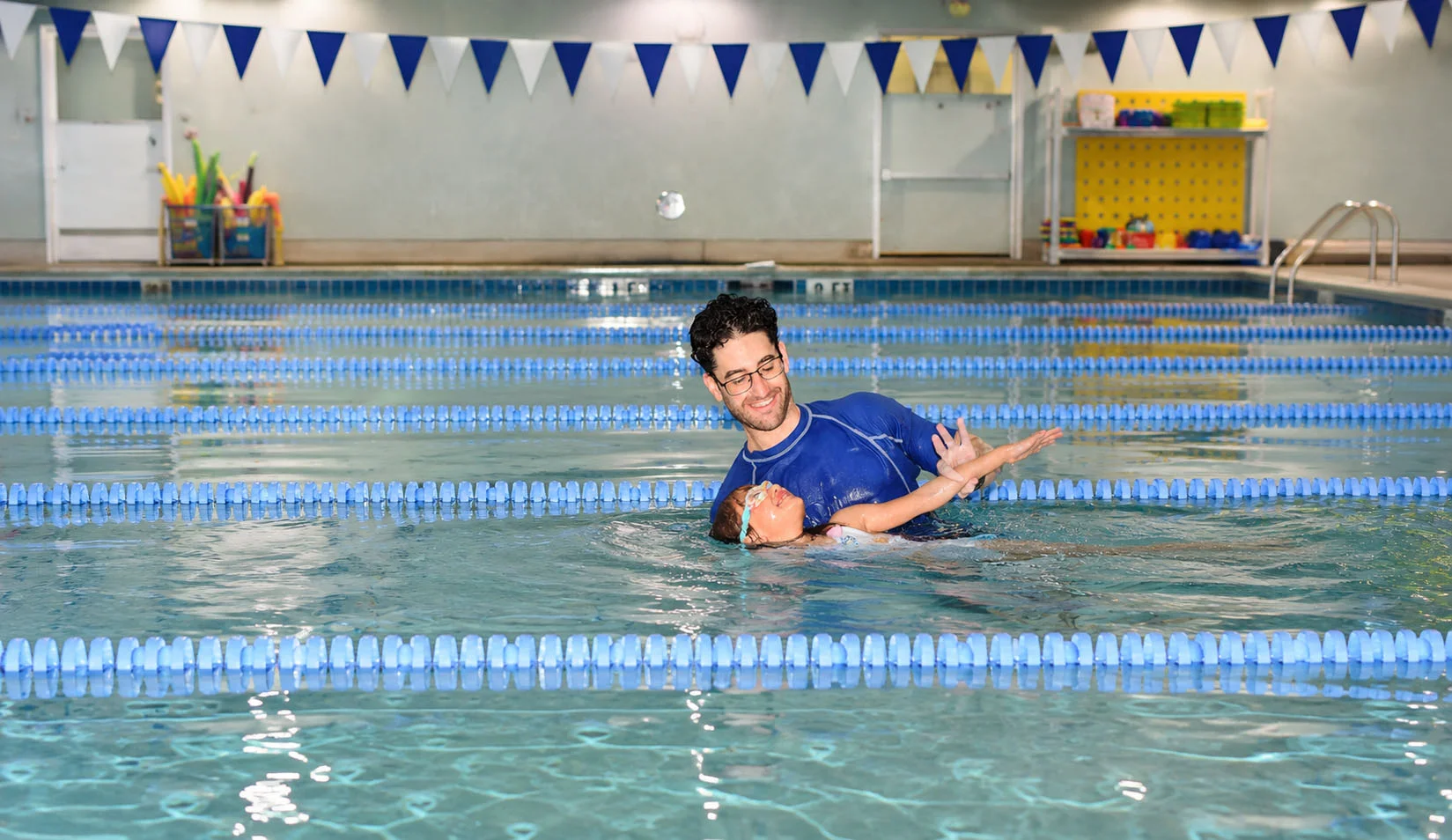
The quality of instruction directly shapes a child’s confidence and competence in the water. Knowledgeable instructors combine technical expertise with positive encouragement to create a supportive learning environment.
How to Choose a Water Safety Class Near Me for Kids
When evaluating local aquatic facilities, keep several core factors in mind:
- Comfortable Water Temperature: Warm water makes a significant difference. Pools heated to a comfortable 92°F prevent shivering and help children relax, focus, and enjoy their lessons.
- Small Class Sizes: Low student-to-teacher ratios ensure every swimmer receives direct feedback, personalized pacing, and close supervision.
- Structured, Progressive Curriculum: Look for a clear, step-by-step roadmap where each level reinforces previously learned safety habits.
- Facility Cleanliness and Atmosphere: Modern filtration, clean deck areas, and attentive staff reflect a strong commitment to swimmer well-being.
How Instructors Build Water Safety Skills
Experienced instructors teach water competence through patience and repetition. By breaking complex movements into bite-sized drills, students learn without feeling overwhelmed.
Instructors emphasize:
- Asking permission before entering any pool or natural body of water.
- Finding the pool edge or stairs immediately after entering the water.
- Rolling from front to back to maintain an open airway.
- Practicing calm, controlled movements in deep water.
These habits are reinforced consistently, helping families build safe routines they can practice together at home and during recreational swim time.
What to Expect: Costs, Formats, and Skill Progression
When looking for a water safety class near me, understanding class formats, pricing, and scheduling helps you plan consistently for your family’s routine.
| Program Type | Target Age Group | Focus Areas | Typical Structure |
|---|---|---|---|
| Parent & Tot | 6 Months – 3 Years | Acclimation, gentle floating, breath control | 30-minute weekly sessions |
| Youth Beginner | 3 – 5 Years | Independent floating, kicking, pool edge recovery | 30-minute small group lessons |
| Stroke Development | 6 – 12 Years | Front crawl, backstroke, rotary breathing, endurance | 30-minute weekly or multi-day |
| Advanced Youth | 8 – 12 Years | Advanced stroke mechanics, endurance, safety mastery | 30- to 45-minute sessions |
Comparing Class Formats, Schedules, and Pricing
Aquatic centers typically offer weekly lessons or intensive seasonal blocks. A standard 30-minute weekly format allows children to absorb skills steadily while balancing school and family life. When choosing a schedule, look for programs with year-round availability so your child maintains their progress without long seasonal gaps.
Finding an Affordable Water Safety Class Near Me
To maximize value when enrolling your family:
- Look for multi-student family packages that offer savings across siblings.
- Enroll early during seasonal registration periods to secure preferred time slots.
- Choose programs with indoor, heated pools to avoid weather-related cancellations.
Many families find that consistent weekly lessons provide the best balance of affordability and skill retention. Because water safety habits are built through repetition, a steady schedule helps children remember what they have learned and apply it automatically. Some programs also offer make-up lesson options or flexible enrollment periods, which can be helpful for busy households. When comparing costs, consider the full value of the experience: warm water, small groups, experienced instructors, and a curriculum that prioritizes safety alongside skill development.
Creating a Safer Community Through Local Aquatic Education
Building water safety awareness extends beyond the pool deck. Families, schools, and local organizations all contribute to a culture of aquatic awareness.
Becoming a Water Safety Ambassador
Anyone passionate about water safety can help educate their community. Parents, educators, and community members can share vital reminders:
- Always assign a dedicated adult “water watcher” during gatherings near pools.
- Ensure home pools have four-sided fencing and self-latching gates.
- Encourage neighbors and friends to start formal swim lessons at an early age.
Emergency Preparedness Around Water
Preparedness means knowing how to respond calmly if an unexpected situation arises:
- Recognize signs of distress: Aquatic emergencies are often silent, requiring constant, undistracted visual supervision.
- Reach or throw, don’t go: Use a reaching pole, rescue tube, or life ring to assist someone in trouble rather than entering deep water unprotected.
- Keep emergency equipment accessible: Have a first aid kit, reaching devices, and a phone charged and available near any swimming area.
Local swim programs can also serve as a hub for water safety education. When families attend lessons together, they learn shared language and routines that make supervision easier at home and in community spaces. Parents who understand the skills their children are practicing can reinforce those habits during recreational swim time, creating a more consistent safety culture across the whole family.
Frequently Asked Questions About Water Safety Classes
What age is best to start water safety lessons?
Children can begin gentle parent-and-child classes as early as six months old. Starting early helps infants acclimate to water movement and comfortable floating, laying a strong foundation for future independent lessons.
What should families look for in a water safety class?
Look for warm pool water (ideally around 92°F), small student-to-teacher ratios, certified and caring instructors, and a clear, progressive curriculum that emphasizes safety habits alongside technical strokes.
How often should families refresh water safety skills?
Because aquatic comfort and physical coordination evolve as children grow, year-round swimming is the best way to maintain muscle memory, endurance, and safety habits. Regular practice also helps children adjust to changes in their height, strength, and confidence in the water.
Conclusion
Developing strong aquatic skills is one of the most rewarding gifts you can provide for your family. Consistent, high-quality lessons build lasting confidence, physical health, and safety awareness in and around the water.
Ready to begin? Explore our welcoming swim lesson programs at American Swim Academy. With warm 92° indoor pools and caring, experienced instructors, we proudly serve families across the Bay Area in Fremont, Newark, Livermore, Dublin, and Walnut Creek. Enroll today and give your child the confidence to thrive in the water!