

Find Safe, Supportive Swimming Lessons for Seniors
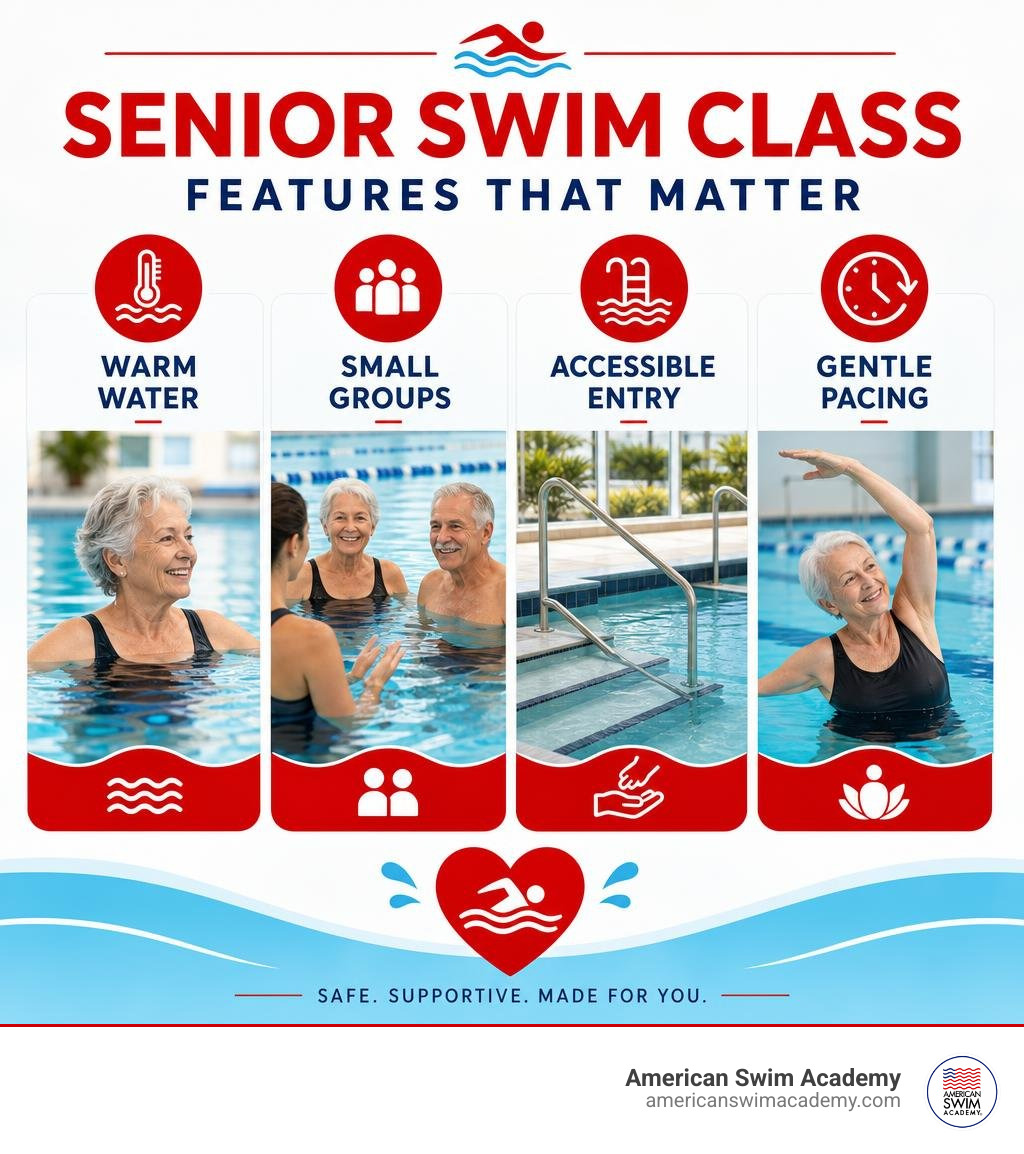
The best swimming lessons for seniors start with the swimmer’s comfort level, health needs, and goals. Look for a small class or private lesson with a qualified instructor, warm water, easy pool entry with steps or handrails, and a pace that allows time for rest and questions.
Swimming can help older adults build mobility, strength, balance, and confidence with far less joint impact than many land exercises. Beginners can start with simple skills such as safe pool entry, breathing, floating, and moving comfortably in shallow water. There is no need for prior swim experience.
For seniors managing arthritis, joint pain, a past surgery, or water anxiety, it is wise to check with a doctor or physical therapist first and tell the instructor about any mobility, hearing, vision, or medical needs. A thoughtful program can adapt exercises and strokes while keeping each lesson comfortable and encouraging.
At American Swim Academy, our family-focused approach centers on patient instruction, safety skills, and helping every swimmer make steady progress.
Swimming lessons for seniors helpful reading:
Key Health Benefits of Swimming Lessons for Seniors
Taking up swimming later in life is one of the most rewarding decisions an older adult can make. Water provides a unique physical environment where natural buoyancy counteracts gravity. When standing chest-deep in water, your body bears only a fraction of its dry-land weight, taking immense stress off the hips, knees, ankles, and spine.
For individuals managing chronic conditions like osteoarthritis or recovering from joint replacement surgery, this buoyant environment allows for movement without the jarring impact of walking on pavement or using traditional gym machinery. Regular aquatic movement increases synovial fluid circulation within the joints, reducing stiffness and easing chronic discomfort.
Beyond joint health, swimming delivers impressive cardiovascular conditioning. Moving through water creates natural, multi-directional resistance that strengthens the heart and lungs, improves circulation, and supports healthy blood pressure levels. Because water resistance requires continuous muscular engagement from both the upper and lower body, swimmers build lean muscle tone and core stability without heavy weights.
This core strength translates directly into improved balance and coordination on land. By challenging stability in a supportive aquatic setting, older adults strengthen the stabilizer muscles surrounding the pelvis and lower back, creating an effective natural safeguard against everyday slips and falls.
The mental and emotional perks are equally profound. Swimming stimulates the release of endorphins, enhances cognitive clarity, and provides a calming sensory experience that reduces daily stress. Furthermore, attending weekly lessons provides a structured social outlet that fosters lasting friendships and combats isolation. Inspiring examples abound in the aquatic community—such as active senior longevity stories highlighting swimmers who continue attending regular pool sessions well into their nineties, attributing their longevity, sharp minds, and vitality directly to consistent time in the water.
Types of Aquatic Instruction Available for Older Adults
Aquatic programs for older adults come in various formats to match different mobility levels, goals, and experience:
- Beginner Learn-to-Swim Classes: Designed for individuals with zero prior experience or those looking to overcome water hesitation. These classes focus on basic comfort, floating, breath control, and fundamental movements in shallow water.
- Stroke Refinement and Endurance Training: Geared toward seniors who already possess foundational water competence and want to improve stroke efficiency, master rhythmic breathing, and build cardiovascular endurance.
- Gentle Mobility and Aquatic Conditioning: Low-impact water fitness that emphasizes range of motion, gentle resistance training, balance, and joint flexibility without requiring advanced technical swimming strokes.
- Synchronized Swimming and Recreational Group Routines: Creative, community-oriented group classes set to music that encourage team coordination, rhythm, and joyful movement.
- Competitive Senior Sports: For those seeking athletic challenges, events like senior Olympic sports participation organize competitions in five-year age brackets (ranging from age 50 up to 95+), allowing older athletes to measure their progress against peers.
What to Expect in Beginner Swimming Lessons for Seniors
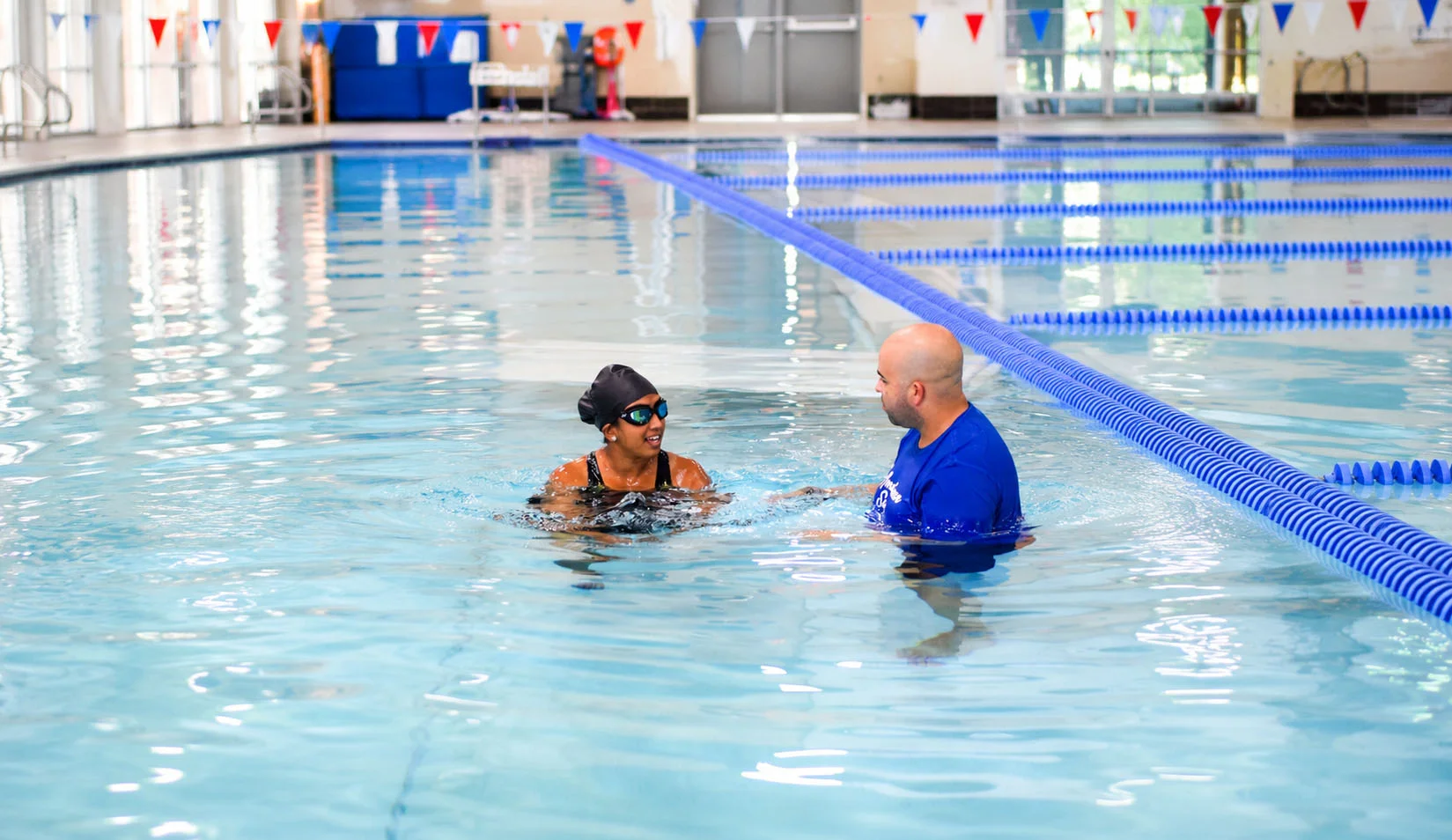
Starting something new can feel daunting, but beginner senior lessons are built around patience and step-by-step progress. Sessions take place in comfortably shallow water where you can easily stand at any moment.
Instructors begin with basic water acclimation. You will practice getting comfortable in the pool environment, learning safe entry and exit techniques using sturdy steps and handrails rather than vertical ladders. From there, you will practice simple breath control, blowing bubbles, and gently submerging the mouth and nose without anxiety.
Next comes the magic of buoyancy. Under the calm guidance of your instructor, you will learn relaxed front and back floating, discovering how the water supports your weight naturally. Once floating feels effortless, instructors introduce gentle kicking, gliding, and basic arm motions, gradually guiding you from introductory movement into full-body coordination. For those interested in technical progression, exploring dedicated adult swimming coaching can illuminate how basic drills evolve into smooth, efficient strokes.

Tailored Swim Instruction and Gentle Mobility Support
Senior-focused aquatic instruction adapts to the unique physiological needs of aging bodies. Unlike athletic drills, senior classes incorporate ample rest periods, frequent check-ins, and the strategic use of supportive flotation equipment like kickboards, foam noodles, and flotation belts.
The table below outlines how aquatic progression is structured across different stages:
| Skill Focus | Beginner Senior Lessons | Intermediate / Maintenance Lessons |
|---|---|---|
| Primary Goal | Water comfort, safety, and unassisted floating | Stroke efficiency, stamina, and endurance |
| Entry & Exit | Shallow steps with handrails and close guidance | Independent entry via stairs or ramp |
| Water Depth | Chest-deep shallow water with footing secure | Variable depths including deep-water treading |
| Breathing Technique | Surface exhalation, bubble blowing, rhythmic bobs | Integrated side rotary breathing |
| Stroke Work | Basic flutter kicks, gentle glides, elementary backstroke | Refined front crawl, backstroke, and modified breaststroke |
| Pacing & Rest | Frequent rest intervals and conversational pacing | Continuous laps with structured interval sets |
How to Choose the Right Senior Swim Class
Selecting the right environment ensures a positive, encouraging experience. When evaluating local facilities, consider the following factors:
- Instructor Certifications and Demeanor: Seek experienced, empathetic instructors certified in water safety and CPR who understand how to pace lessons for older learners.
- Class Size and Ratios: Small class sizes (ideally between 4 to 6 students per instructor) or private one-on-one sessions ensure individualized attention and continuous physical support.
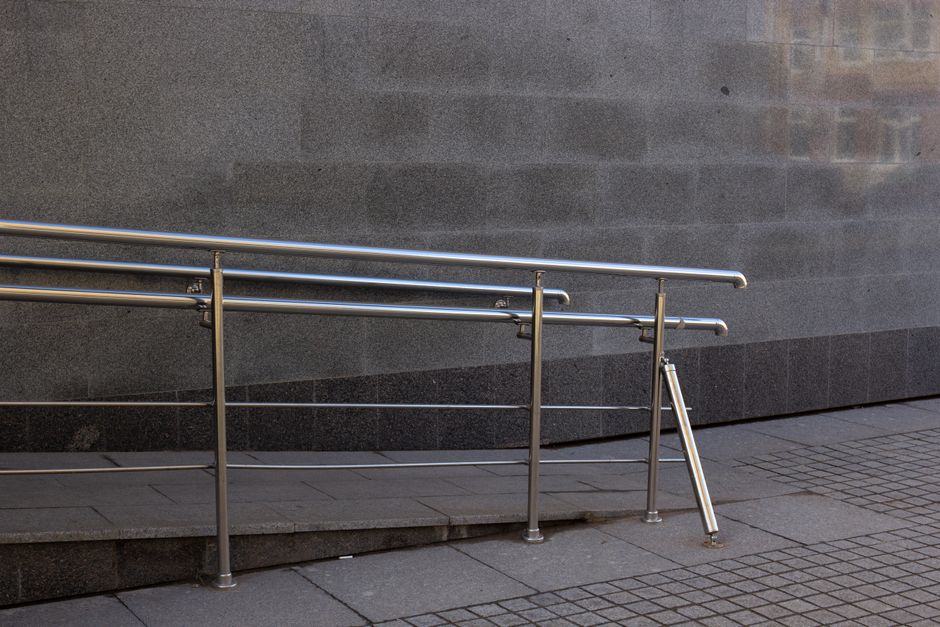
- Facility Accessibility: Look for dedicated walk-in stairs with sturdy double handrails, zero-depth ramp entries, non-slip pool deck surfaces, and clean, accessible changing rooms.
- Environmental Comfort: Indoor facilities that shield swimmers from harsh weather, strong winds, and direct sun provide a consistent, comfortable learning atmosphere year-round.
Knowing how to choose an adult swim program that aligns with your specific mobility requirements makes all the difference in building lifelong aquatic confidence.
The Importance of Warm Water Pools for Joint Comfort
Water temperature is one of the most critical considerations for older adults. Standard competition pools are often kept between 78°F and 82°F (25°C–28°C), which can feel shockingly brisk to aging muscles and trigger joint stiffness or shivering.
In contrast, specialized instructional facilities maintain their pools at significantly warmer temperatures—around 90°F to 92°F (32°C–33°C). Warm water acts as a natural therapeutic modality:
- It dilates peripheral blood vessels, improving systemic circulation.
- It soothes inflamed arthritic joints and relaxes tight connective tissues.
- It prevents the initial shock and rapid elevation in blood pressure associated with entering cold water.
- It allows swimmers to remain comfortably submerged throughout the entire lesson without physical tension.
Learning how to swim all winter in a year-round heated pool ensures you can maintain physical fitness and joint mobility through every season without interruption.
Finding the Right Swimming Lessons for Seniors in Your Community
When looking for suitable programs in your area, start by assessing your schedule and weekly routine. Aquatic skill retention is significantly higher when lessons take place once or twice per week on a consistent schedule.
Evaluate the registration structure of the facility. Flexible enrollment options, clear absence guidelines, and multi-week learning blocks allow you to progress without unnecessary stress. Do not hesitate to speak directly with an aquatics coordinator before registering—ask about pool depths, water sanitation systems (such as modern advanced filtration that reduces harsh chemical odors), and whether you can observe a class from the viewing area beforehand to get a feel for the environment.
Overcoming Water Anxiety and Essential Safety Considerations
It is completely normal for adults who did not learn to swim during childhood to feel hesitant or anxious around the pool. Water anxiety often stems from unfamiliar sensory feedback—such as the feeling of water near the face or the sensation of feet lifting off the bottom.
A safe, supportive program addresses this anxiety through gentle exposure:
- Starting in the Shallow End: Every skill is introduced where the swimmer can firmly plant their feet on the pool bottom at any time.
- Gradual Face Wetting: Swimmers learn to cup water in their hands to splash their cheeks before ever attempting full submersion.
- Supportive Flotation Tools: Using kickboards, noodles, and barbell floats provides physical security while core balance is established.
- Clear Communication: Instructors explain every exercise beforehand, moving forward only when the swimmer feels ready.
Always obtain medical clearance from your primary physician before starting a new aquatic routine, especially if managing cardiovascular conditions, asthma, or recent orthopedic surgeries. Inform your instructor of any relevant medical history, mobility limitations, or hearing and vision impairments so they can tailor their guidance accordingly. Reviewing fundamental water safety tips reinforces these core principles and empowers you to enjoy the pool with peace of mind.
Essential Preparation and Swimming Gear for Older Adults
Getting prepared for your first class is simple. Having the right, comfortable gear helps ensure a smooth and pleasant experience:
- Comfortable, Supportive Swimwear: Choose well-fitting suits that allow full range of motion without pinching or riding up.
- Quality Anti-Fog Goggles: Soft-silicone goggles protect sensitive eyes from splashes and provide crystal-clear underwater visibility.
- Non-Slip Deck Shoes or Water Booties: Traction-soled water shoes protect feet on wet surfaces and prevent slips along the pool deck and locker rooms.
- Swim Cap: A soft silicone or fabric cap keeps hair out of your eyes and helps maintain pool cleanliness.
- Towel and Warm Layering: Bring an absorbent towel and an easy-to-wear outer layer or robe to stay cozy after leaving the warm pool water.
Frequently Asked Questions About Swimming for Older Adults
Can seniors with arthritis or past joint replacements learn to swim?
Yes. Swimming is widely recommended by orthopedic specialists for managing arthritis and recovering from joint surgeries. The natural buoyancy of water relieves mechanical strain on weight-bearing joints while providing gentle resistance that strengthens supporting musculature. With medical clearance, seniors can safely learn modified strokes and water mobility exercises tailored to their physical capabilities.
How do senior swimming classes differ from standard adult lessons?
Senior swimming classes are deliberately paced to prioritize comfort, safety, joint mobility, and confidence over intense athletic conditioning or strict distance quotas. Classes emphasize warm-water environments, easy entry and exit via shallow steps with handrails, and personalized modifications for common age-related conditions like reduced flexibility or lower endurance.
What competitive opportunities exist for senior swimmers?
For those who enjoy goal-oriented challenges, organizations such as the Senior Games and Masters Swimming programs host regional and national swim meets. These events group participants into five-year age brackets (such as 60–64, 65–69, and beyond 90+), ensuring a supportive, fair, and inspiring athletic community for swimmers of all ages.
Conclusion
It is never too late to experience the life-changing physical, mental, and social benefits of being in the water. Whether your goal is to soothe aching joints, build balance, master new strokes, or simply enjoy a refreshing weekly routine, gentle aquatic instruction opens the door to lifelong wellness.
At American Swim Academy, we believe water confidence belongs to everyone. By pairing warm 92° indoor pools with patient, highly experienced instructors and small class sizes across our Northern California locations—including Fremont, Newark, Livermore, Dublin, and Walnut Creek—we provide a welcoming environment where every swimmer can thrive safely.
Take the first step toward a healthier, more active lifestyle by exploring our structured swim programs today!