

Why Finding the Right Swim Lessons Near My Suburb Matters More Than You Think
Finding swim lessons near my suburb is one of the most important decisions you’ll make for your child’s safety — and it’s worth getting right.
Here’s a quick overview of your local swim lesson options:
| Option | Best For | Typical Cost | Format |
|---|---|---|---|
| Group lessons (4-8 swimmers) | Most children, social learning | $25-$33/lesson | In-person, set schedule |
| Private lessons | Specific skill gaps, faster progress | $60-$80/lesson | Flexible scheduling |
| Adaptive/special needs | Children with disabilities or autism | Varies | Quieter hours, trained staff |
| Parent-tot classes | Infants and toddlers (6 months+) | Varies | Parent in water |
| Recreational district pools | Budget-friendly families | Lower cost | Seasonal or year-round |
| Dedicated swim academies | Year-round, structured progression | Mid-range | Indoor, climate-controlled |
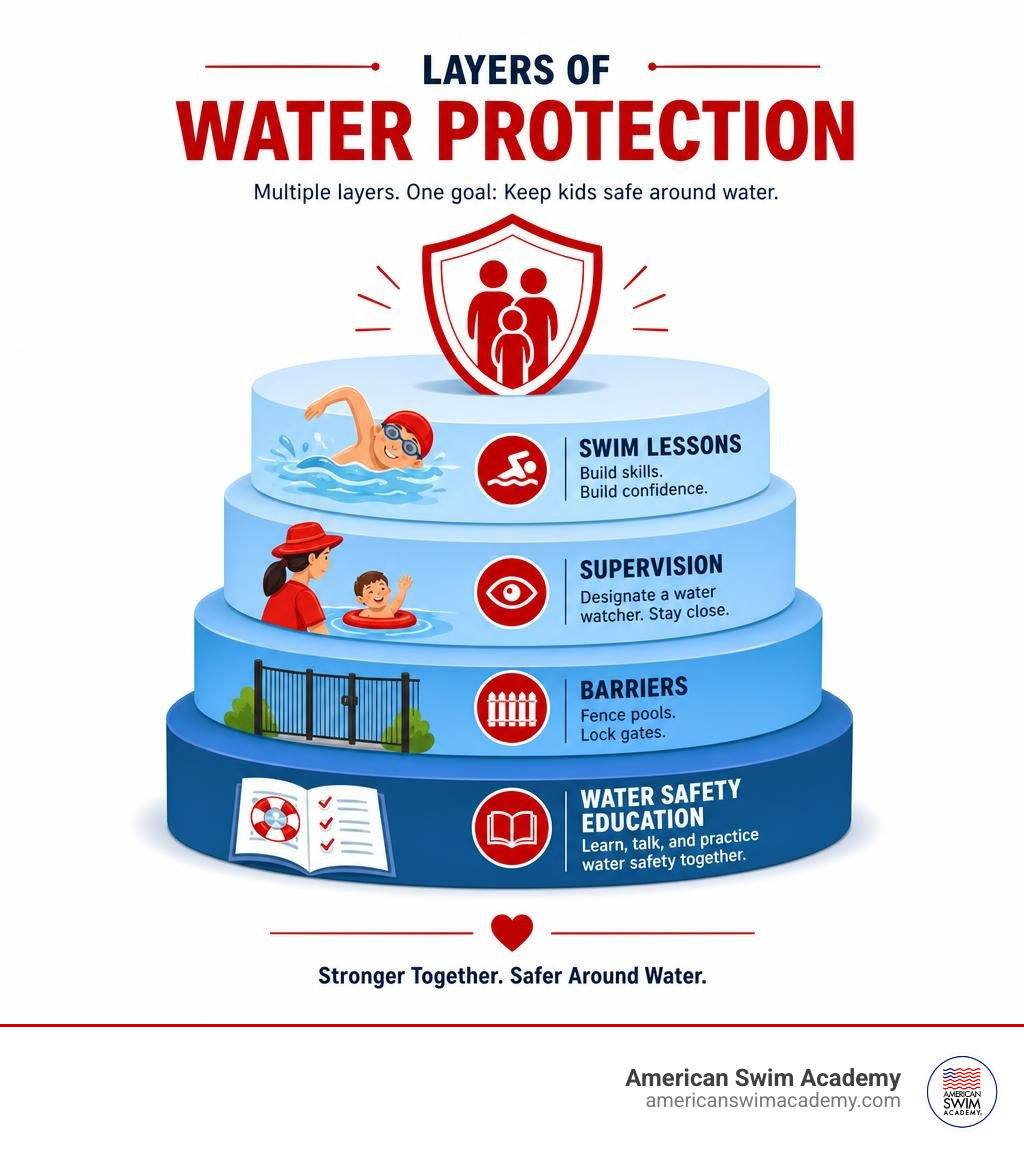
The stakes are high. Drowning is the second leading cause of accidental death for children under 14 in the US. What makes this statistic so sobering is how fast it can happen — 75% of children who drown were out of their caregiver’s sight for five minutes or less, and 9 out of 10 drowning deaths occur while an adult is present nearby.
That’s not meant to scare you. It’s meant to show you that swimming skills — real, practiced, confident skills — are a genuine lifeline.
The good news? Quality swim instruction is more accessible than ever. Whether you’re looking for small-group classes that work around a packed family schedule, adaptive programs for a child with special needs, or warm indoor pools that run year-round, there are options near you worth knowing about.
This guide walks you through everything: lesson types, what to look for in an instructor, age-appropriate levels, costs, and how to find the right fit for your family.
Why Finding Quality Swim Lessons Near My Suburb is a Priority
When we think about childhood milestones, we often focus on first steps, riding a bike, or learning to read. However, learning to swim is a unique milestone because it is also a critical safety measure. Living in the vibrant San Francisco Bay Area, we are constantly surrounded by water—from backyard swimming pools and community centers to the expansive Bay itself and nearby lakes. Ensuring our children are water-safe is an essential part of suburban life.
Enrolling your child in high-quality swim lessons does more than just tick a safety box. It builds a foundation of physical health, coordination, and mental resilience. Swimming is a low-impact, full-body exercise that promotes cardiovascular health, builds muscle strength, and improves flexibility.
More than that, early swim lessons foster deep water confidence. When children learn how to navigate the water safely, they develop a sense of independence and self-assurance that carries over into other areas of their lives. To understand the full scope of how these programs protect and enrich your family, explore our guide on How Swimming Lessons Keep Your Child Safe and discover Water Safety: The Importance of Swimming Lessons to Kids.
The Critical Importance of Early Water Safety
It is a common misconception that water safety can wait until a child is in elementary school. In reality, the foundation for water safety should be laid much earlier. Toddlers are naturally curious, incredibly quick, and drawn to water, making them the most vulnerable age group for accidental drowning.
By introducing children to structured aquatic environments early, we demystify the water while teaching crucial boundaries. Early swim lessons teach infants and toddlers how to respect the water, how to behave around the pool edge, and basic self-survival skills—such as rolling onto their backs to float and breathe.
Starting early also capitalizes on a child’s natural lack of fear, making the transition to independent swimming much smoother. To learn more about the lifelong advantages of early aquatic education, read about the 4 Benefits of Teaching Your Kid How to Swim at an Early Age.
Overcoming Water Anxiety with Swim Lessons Near My Suburb
It is completely normal for some children to experience water anxiety. Whether it stems from a bad experience, fear of the unknown, or simply a dislike of getting their face wet, water anxiety can make family pool trips stressful.
The key to overcoming this fear is not avoidance, but gentle, structured exposure. A high-quality program uses playful games, songs, and progressive steps to help children build trust in their instructors and themselves. Over time, blowing bubbles, putting their ears in the water, and submerging their eyes become fun challenges rather than terrifying tasks. As they master these small steps, their self-confidence skyrockets. If your child is hesitant about jumping in, here are 3 Reasons to Get Your Child in Beginner Swim Lessons to help ease the transition.
Why Year-Round Indoor Swim Academies are the Best Choice
While seasonal outdoor pools are wonderful for summer fun, they present challenges when it comes to consistent skill development. In the Bay Area, weather can be unpredictable, and outdoor pools are subject to wind, chilly mornings, and seasonal closures.
Year-round indoor swim academies provide a controlled, comfortable environment that makes learning to swim a seamless experience in any season.

| Feature | Year-Round Indoor Swim Academies | Seasonal Outdoor Pools |
|---|---|---|
| Water Temperature | Consistently heated to 92°F for comfort | Subject to weather; often chilly |
| Air Temperature | Climate-controlled, warm changing areas | Exposed to wind, cold air, and rain |
| Consistency | Lessons continue weekly through winter/spring | Limited to short summer blocks |
| Skill Retention | Continuous practice prevents regression | Skills are often forgotten during off-season |
| Sun Protection | Safe from harmful UV rays | Requires constant sunscreen application |
By keeping the water heated to a warm 92°F, indoor swim academies eliminate the “shiver factor.” When children aren’t shivering or dreading the cold water, they can focus entirely on their instructors and the skills being taught.
Group Classes vs. Private Instruction
When searching for swim lessons near my suburb, you will likely have to choose between group classes and private lessons. Both formats have distinct advantages depending on your child’s personality, learning style, and budget.
- Group Lessons: Typically consisting of small student-to-teacher ratios (such as 1:4), group classes offer a highly social environment. Children learn by watching their peers, build camaraderie, and practice taking turns. Group classes are generally more cost-effective and provide a structured, level-based curriculum.
- Private Lessons: Private instruction offers one-on-one attention, making it highly customizable. If your child needs to master a specific skill set, has intense water anxiety, or thrives under direct, continuous feedback, private lessons are an excellent choice. While they generally cost more and offer less social interaction, they can sometimes accelerate progress for specific learning needs.
Finding Specialized Swim Lessons Near My Suburb
Every swimmer is unique, which is why a one-size-fits-all approach to swim lessons rarely works. High-quality local swim schools offer specialized programs designed to meet diverse needs:
- Infant & Toddler Swimming: Focused on water familiarization, safety, and bonding. Parents join their little ones in the water to learn safety holds, gentle submersions, and basic buoyancy.
- Adaptive & Special Needs Programs: Designed for neurodivergent children or those with physical disabilities. These lessons are often held during quieter pool hours with highly trained instructors who adapt their teaching styles to accommodate sensory, physical, or developmental needs.
- Stroke Refinement & Squads: For older children and teens who have mastered the basics and want to transition to competitive swimming or fitness swimming.
If you are ready to prepare for your family’s first day in the pool, check out these helpful Tips for Learning to Swim.
What to Look For in a Suburban Swim Program
As you evaluate your local options, it helps to know what separates an average swim program from an exceptional one.
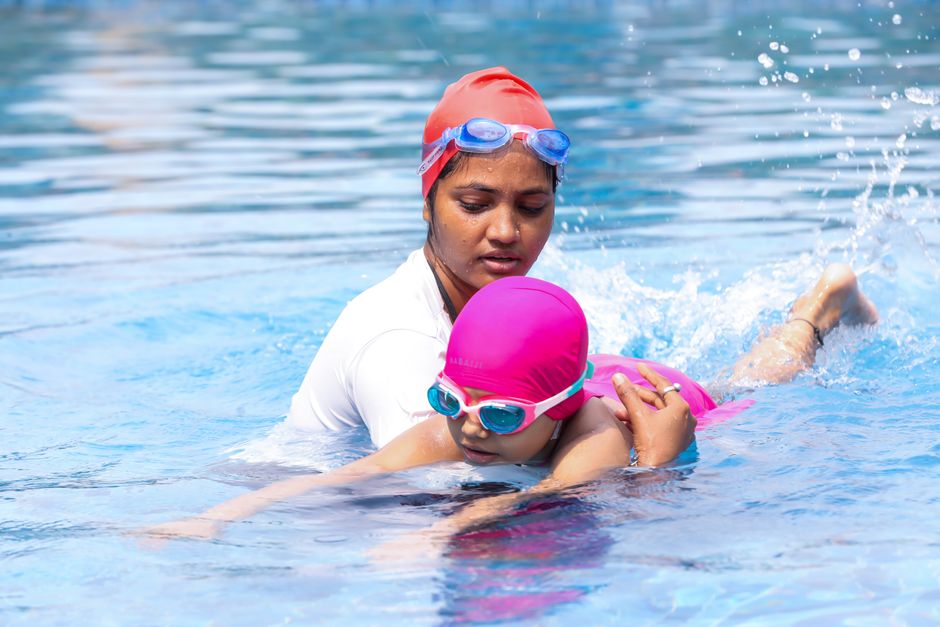
Here are the key factors to consider:
- Instructor Qualifications: Instructors should be CPR/First Aid certified, thoroughly background-checked, and trained in a structured, progressive curriculum. Look for schools that invest in continuous, hands-on training for their staff.
- Pool Temperature: For young children and infants, pool temperature is not a luxury—it is a necessity. A pool heated to 92°F keeps muscles relaxed and ensures children stay comfortable for the duration of the lesson.
- Class Sizes: Small class sizes ensure your child gets plenty of practice time and individual attention. A low student-to-teacher ratio is crucial for both safety and rapid skill progression.
For local insights and recognized programs, you can read more about the Best Swim Classes in the Bay Area – Bay Area Parent Magazine.
Age-Appropriate Levels and Prerequisites
A structured swim program should have clear, measurable milestones for each level. This prevents children from being pushed too quickly or held back when they are ready to advance.
- Parent-Tot (Ages 6 months to 3 years): Focuses on water comfort, safe entries and exits, breath control, and basic back floats. Parents are in the water, providing a secure base of support. Weekly classes at this stage are incredibly rewarding. Learn more about Why Weekly Swim Lessons are the Ultimate Bonding Experience for Parents and Kids.
- Preschool Aquatics (Ages 3 to 5 years): Children transition to independent learning. They learn to submerge their faces, blow bubbles, glide on their fronts and backs, and kick independently.
- School-Age & Stroke Refinement (Ages 5+ years): Students develop formal strokes, including freestyle, backstroke, breaststroke, and butterfly, alongside advanced water safety skills like treading water and deep-water recovery.
Registration, Costs, and Policies
Before committing to a program, review the school’s operational policies. Understanding these upfront prevents surprises down the road:
- Online Registration: Can you easily manage your schedule, track your child’s progress, and book lessons online?
- Make-Up Policies: Children get sick, and family plans change. Look for programs that offer flexible make-up options rather than strict “no-show, no-refund” policies.
- Frequently Asked Questions: It is always helpful to review a school’s detailed policies on scheduling, cancellations, and safety protocols. For answers to common questions, check out the American Swim Academy FAQs.
While public and municipal pools offer great seasonal activities, a dedicated, year-round indoor swim school provides the consistency and warmth that young beginners need to thrive.
Frequently Asked Questions About Suburban Swim Schools
At what age should my child start swimming lessons?
We recommend starting swim lessons as early as 6 months of age. At this stage, lessons focus on water familiarization, gentle sensory stimulation, and teaching parents essential water safety holds. Starting early prevents water fears from developing and builds a strong foundation of water safety habits before toddlerhood.
Why is a dedicated swim academy better than a standard community pool?
Dedicated swim academies are purpose-built for teaching. Unlike standard community pools, which are often kept at cooler temperatures (78°F to 82°F) for lap swimmers, our pools are heated to a warm 92°F. Additionally, dedicated academies feature custom teaching steps, specialized safety equipment, small class sizes, and a highly structured, year-round curriculum that isn’t interrupted by seasonal weather.
How long does it take for a child to learn how to swim independently?
Every child progresses at their own pace based on their age, comfort level, and practice frequency. Consistency is the single most important factor in skill retention. Children who attend weekly, year-round lessons build muscle memory and advance much faster than those who only swim during the summer months. To understand how consistent lessons transform your child’s skills, read why Swimming Lessons for Kids is a Game Changer.
Conclusion
Finding the perfect swim lessons near my suburb is an investment in your child’s safety, health, and happiness. While there are many options across the Bay Area, choosing a dedicated, year-round indoor program ensures your child learns in a comfortable, warm, and supportive environment.
At American Swim Academy, we have spent decades helping Bay Area families build a lifetime of water safety and fun. Our warm, 92-degree indoor pools, small class sizes, and caring, experienced instructors provide the ultimate learning environment for infants, toddlers, and children.
Ready to take the first step? Explore our programs, find a convenient location near you, and join our swim family today!
- Take the First Step: Get Started
- Find a Pool Near You: Locations (Serving Fremont, Newark, Livermore, Dublin, and Walnut Creek, CA)
- Explore Our Classes: Our Programs