

Why Finding the Right Swim Classes Near Me Matters for Your Child
Looking for swim classes near me is one of the best decisions you can make for your child’s safety and confidence in the water. But with so many options — community pools, private swim schools, and municipal recreation centers — it can be hard to know where to start.
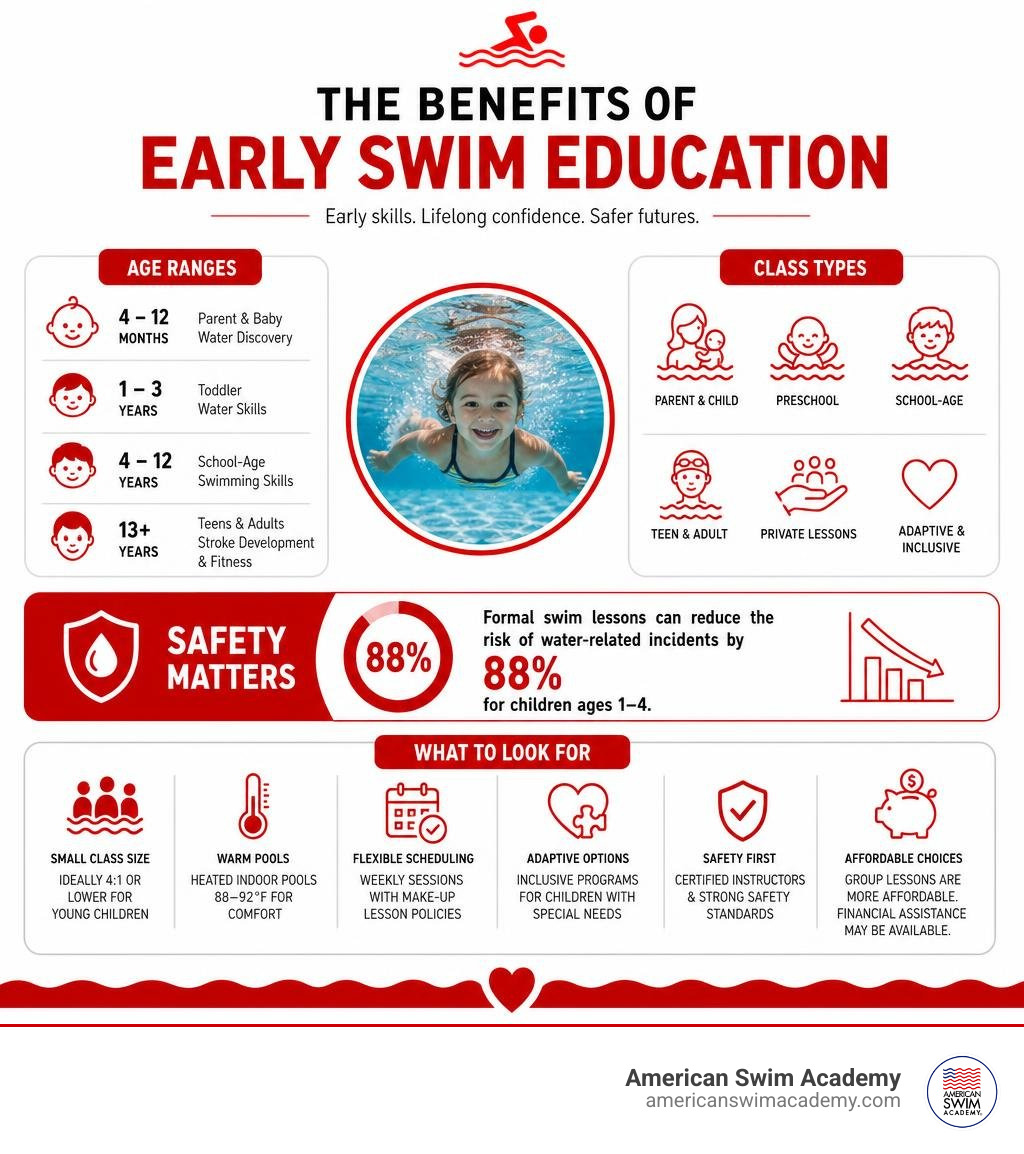
Here’s a quick overview of what to look for:
- Age range: Most programs accept children as young as 4–6 months old
- Class types: Parent-and-child, preschool, school-age, teen, adult, private, and adaptive lessons
- Class size: Look for small ratios — ideally 4:1 or lower for young children
- Pool temperature: Heated indoor pools (88–92°F) keep young swimmers comfortable year-round
- Scheduling: Flexible weekly sessions with make-up lesson policies
- Adaptive options: Inclusive programs for children with autism or special needs
- Cost: Group lessons are more affordable; financial assistance is often available
The research is clear: formal swim lessons can improve water safety and confidence by 88% for children ages 1–4. Starting early — ideally between ages 1 and 4 — gives children the best foundation for water confidence and safety skills.
And it’s not just about safety. A grandmother once shared how her grandson went from struggling to tread water to swimming confidently across the pool after just one session of consistent lessons. That kind of progress is exactly what the right program can deliver.
Whether you’re a parent of a curious toddler, a child with sensory sensitivities, or someone managing a packed family schedule, this guide will help you find the best swim classes in your area — and know exactly what to look for when you do.
Easy swim classes near me glossary:
1. Identify the Right Age Group and Start Early
When searching for the perfect swim program, timing is everything. Many parents wonder when their little ones are truly ready to get their feet wet. While children develop at their own unique pace, experts agree that introducing children to the water during early childhood builds a lifelong foundation of comfort and security.
Starting early allows children to hit essential developmental milestones naturally. Rather than waiting until they are school-aged, starting during infancy or toddlerhood helps prevent water-related fears from developing in the first place. When you choose age-appropriate classes, the learning process feels like play. For a detailed look at how to navigate this exciting first step, check out our guide on How to Choose the Best Swimming Classes for Infants.
Infant and Toddler Swim Classes Near Me
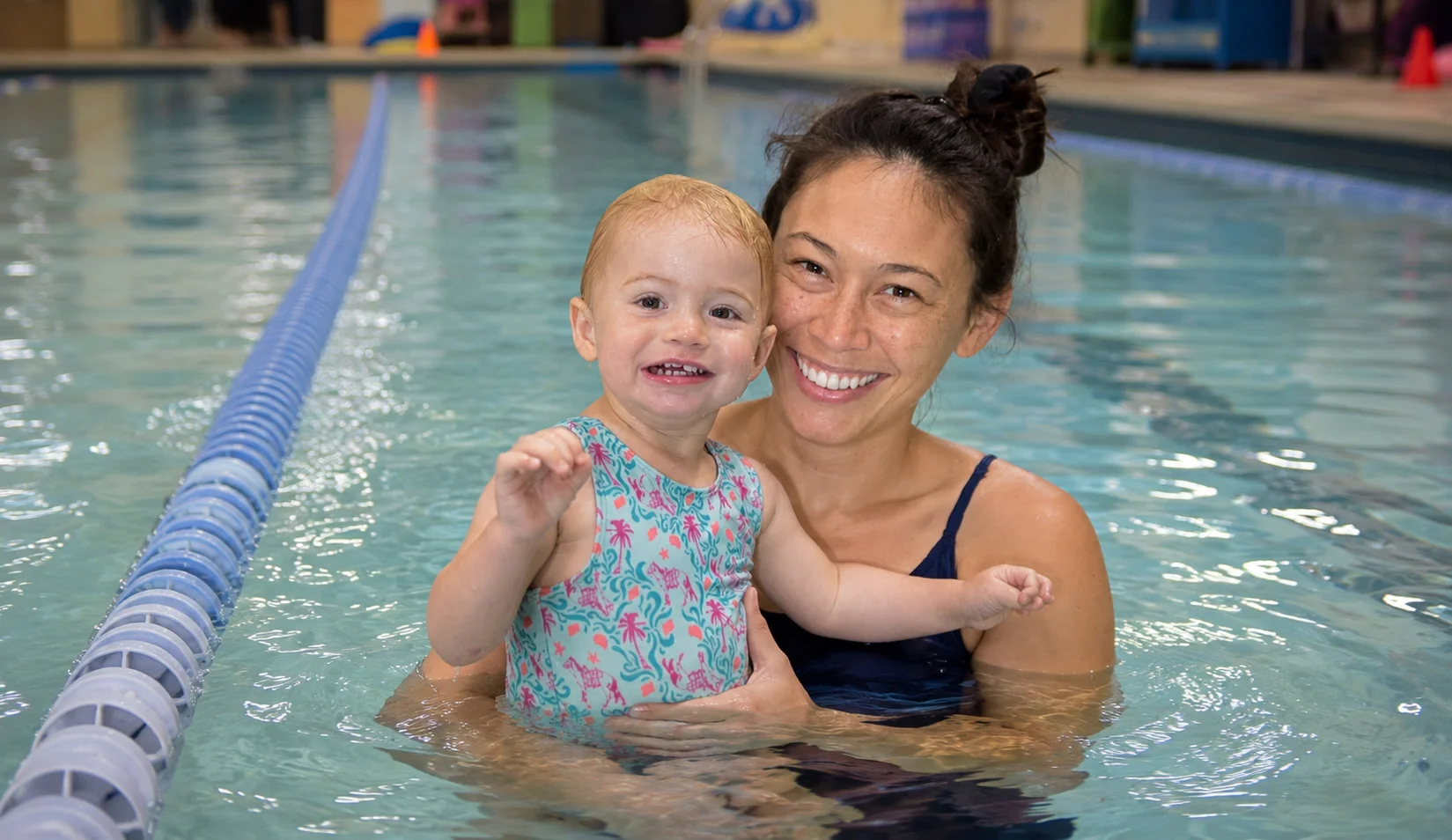
For our youngest swimmers, lessons are not about mastering complex strokes. Instead, the focus is entirely on water acclimation and basic safety. These sessions are typically structured as parent-and-child classes, creating a beautiful bonding experience.
In these classes, you will be right there in the water with your baby, guiding them through gentle splashes, singing songs, and helping them learn to feel weightless. Our warm, indoor pools are heated to a cozy 92°F, ensuring your baby stays happy, relaxed, and shiver-free throughout the class.
If you are ready to start this journey in the San Francisco Bay Area, you can find a warm, welcoming environment at any of our American Swim Academy Bay Area Locations.
Preschool and School-Age Swim Programs
As children grow into the preschool and school-age years, their cognitive and physical abilities expand rapidly. This is the perfect stage for transitioning into independent learning. In these programs, the curriculum shifts toward independent water movement, breath control, and stroke introduction.
Children learn how to kick effectively, float on their backs without assistance, and combine arm movements with proper breathing. Watching your child transition from cautious doggy-paddling to executing smooth, coordinated movements is incredibly rewarding. To understand why this transition is so impactful, read about how Swimming Lessons for Kids is a Game Changer.
2. Evaluate Swim Lesson Levels and Class Structures
A great swim school does not believe in a one-size-fits-all approach. To ensure steady progress and build genuine confidence, lessons must be structured around a clear, progressive curriculum. Swimmers should always be placed in groups that match their current abilities rather than just their age. You can explore the full spectrum of our structured levels by visiting Our Programs.
Determining the Right Level for Your Child
Placing your child in the correct class level is crucial for their success. If a class is too challenging, they may feel overwhelmed; if it is too easy, they might lose interest.
A high-quality program will offer a clear level selector or a professional skill assessment before your first session. Experienced instructors evaluate key milestones, such as:
- Voluntary head submersion and comfortable bubble-blowing
- Independent front and back floating for several seconds
- Basic flutter kicking and forward movement
- Overall water comfort and willingness to follow instructions
If you are located near Dublin, California, our team is always available to help evaluate your child’s skills and find the perfect class match at our American Swim Academy Dublin Location.
Class Duration and Instructor-to-Student Ratios
The structure of the class itself plays a massive role in how quickly a student learns. For young children, 30-minute lessons are the absolute sweet spot. This duration is long enough to get plenty of active practice but short enough to keep children fully engaged before physical fatigue or short attention spans set in.
Equally important is the instructor-to-student ratio. When class sizes are small, every child receives the personalized attention, safety supervision, and frequent feedback they need to thrive.
We pride ourselves on maintaining exceptionally small class sizes in our custom-built indoor facilities. If you are in the Contra Costa area, you can experience these small-group benefits at our American Swim Academy Walnut Creek Location.
3. Look for Specialized and Private Instruction
While group lessons offer wonderful social benefits and peer-modeling opportunities, they might not be the perfect fit for every single swimmer. Some students thrive with tailored, dedicated coaching that targets their unique needs, fears, or athletic goals. If you want to jump right into customized lessons, you can Get Started today.
Private Swim Classes Near Me
Private lessons provide one-on-one instruction that can dramatically accelerate a student’s progress. Whether your child is trying to overcome a deep-seated fear of the water, or an older swimmer is looking to refine their stroke mechanics for competitive youth swim teams, one-on-one attention is unmatched.
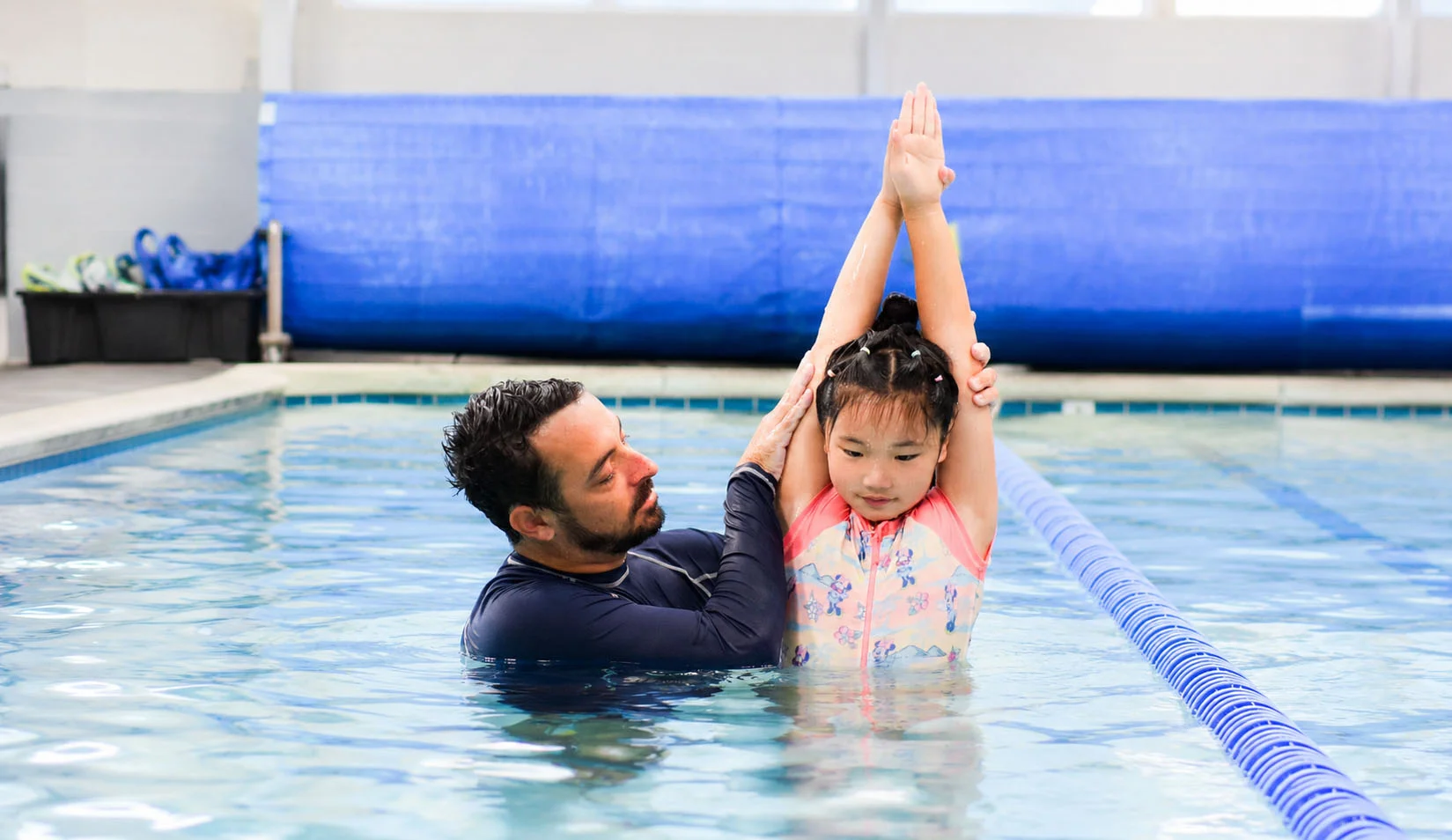
In a private setting, the instructor adapts every single minute of the lesson to the individual’s learning style, offering immediate physical adjustments and positive encouragement. To reserve a dedicated spot for your child, check out how to Get Started with Private Lessons.
Adaptive Swim Programs for Special Needs
Every individual deserves the opportunity to learn how to swim in a safe, supportive environment. Adaptive swim programs are specifically designed for children and adults with physical, developmental, or sensory challenges, such as autism spectrum disorders.
These specialized classes focus on:
- Sensory-friendly environments: Utilizing warm water temperatures and gentle, patient teaching methods to reduce anxiety.
- Certified, empathetic coaches: Instructors who are trained to build deep trust, use visual aids, and adapt skills to match each swimmer’s unique physical abilities.
- Water safety as a priority: Tailoring self-rescue skills to ensure every participant can confidently navigate the water.
4. Compare Private Swim Schools vs. Community Programs
As you search for the best swim classes near me, you will likely find a mix of private swim schools and local community recreation centers. Both options have their place, but understanding the differences in facility quality, pool conditions, and instructor consistency will help you make the best choice for your family. If you are weighing your options, our guide on Where to Find the Best Children Swim School in the Bay Area offers valuable local insights.
Cost, Accessibility, and Quality Comparison
Community programs are often highly accessible and budget-friendly, but they frequently operate in outdoor pools that are subject to weather disruptions and cooler water temperatures. Private swim schools, on the other hand, invest heavily in indoor, climate-controlled environments specifically engineered for learning.
To help you compare, we have outlined the key differences below:
| Feature | Private Swim Schools (e.g., American Swim Academy) | Community Recreation Centers |
|---|---|---|
| Water Temperature | Warm, heated to 92°F year-round | Variable, often cooler (78°F – 82°F) |
| Class Size Ratios | Extremely small, highly focused | Larger groups, less individual attention |
| Pool Environment | Indoor, custom-built, weather-proof | Often outdoor, seasonal, multi-use |
| Instructor Training | Specialized, consistent, ongoing training | Seasonal staff, varying experience levels |
| Make-Up Policies | Flexible scheduling with make-up options | Rigid schedules, rarely offer make-ups |
While private swim schools represent a larger financial investment, many families find the rapid skill progression and comfortable environment to be incredibly cost-effective in the long run. If you are looking for top-tier quality in the South Bay, we invite you to visit our American Swim Academy Fremont Location.
To explore all your local options across the Bay Area, you can also browse these helpful resources:
- Learn about municipal programs via the Swim Lessons | City of Fremont, CA Official Website .
- Review community recreational offerings at Swim Lessons and Classes | Walnut Creek Arts + Rec .
5. Prioritize Water Safety and Life-Saving Skills
Above all else, learning to swim is a critical safety measure. Equipping your child with water safety skills is one of the most proactive steps you can take to protect them around pools, lakes, and beaches. For a deeper look at this vital topic, read about Water Safety: The Importance of Swimming Lessons to Kids.
Essential Safety Skills Taught in Class
A comprehensive swim program does not just teach children how to move forward in the water; it teaches them how to respond if they ever experience an unexpected water entry.
Every beginner class should emphasize these core safety habits:
- Back Floating: Learning to roll onto the back to rest and breathe is the ultimate self-rescue skill.
- Breath Control: Mastering the art of holding one’s breath and blowing bubbles calmly prevents panic.
- Safe Entry and Exit: Teaching children to always ask permission before entering the water, and showing them how to climb out safely using the “elbow, elbow, tummy, knee” method.
- Water Orientation: Helping swimmers turn around in the water to find and grab the pool edge if they fall in.
By practicing these skills repeatedly in a controlled, loving environment, they become second nature. To learn more about how these structured habits protect your family, read How Swimming Lessons Keep Your Child Safe.
6. Understand Scheduling, Registration, and Preparation Policies
Between school, sports, and family commitments, we know how busy your schedule can be. That is why it is so important to choose a swim school that offers flexible scheduling and convenient class times.
When looking for swim classes near me, check if the school offers year-round monthly enrollment rather than short, rigid seasonal sessions. This allows your child to maintain consistent practice without long gaps that can lead to skill regression. If you are ready to check schedules in the Tri-City area, take a look at our American Swim Academy Newark Location.
What to Bring and How to Prepare
A little preparation goes a long way in making your child’s first swim class a joyful success. Arriving relaxed and organized helps your child feel confident and excited about getting into the water.
Here is a quick checklist of what to pack in your swim bag:
- Proper Swimwear: A snug-fitting swimsuit that allows for easy movement.
- Reusable Swim Diapers: Essential for all children who are not yet fully potty trained.
- Warm Towels: A cozy, dry towel to wrap your swimmer in immediately after they exit our warm pool.
- Goggles: Optional, but highly recommended for older children to keep their eyes comfortable while practicing submersions.
- A Light Snack: Swimming works up a healthy appetite! Having a small snack ready for after class is always a hit.
Frequently Asked Questions About Swim Classes Near Me
What age should my child start swim lessons?
We recommend starting swim lessons as early as 4 to 6 months of age. At this stage, babies have wonderful natural water reflexes, and introducing them to a warm pool early builds incredible water comfort. Starting during infancy or early toddlerhood helps prevent water anxiety before it can develop.
What is the typical student-to-teacher ratio for beginner classes?
For our beginner classes, we keep our student-to-teacher ratios exceptionally small. This ensures that every child receives constant supervision, personalized feedback, and plenty of turns to practice their skills with the instructor during their 30-minute lesson.
What should we bring to our first swim lesson?
Please bring a comfortable swimsuit, a warm towel, and a reusable swim diaper if your child is not yet potty trained. We also suggest bringing a change of warm clothes for after the lesson. All other teaching equipment and safety flotation devices are provided by our facility!
Conclusion
Finding the right swim classes near me is an investment in your child’s safety, physical health, and lifelong self-confidence. By choosing a program that prioritizes small class sizes, warm and comfortable pools, and a gentle, progressive curriculum, you are setting your young swimmer up for a lifetime of water enjoyment.
At American Swim Academy, we have spent decades helping East Bay and South Bay families discover the joy of swimming. Our year-round indoor lessons, exceptionally warm 92-degree pools, and caring, highly trained instructors make us the perfect partner for your child’s aquatic journey.
We invite you to visit us at any of our convenient Bay Area Locations in Fremont, Newark, Livermore, Dublin, and Walnut Creek. Explore Our Programs today, and let’s take that first exciting splash together!